
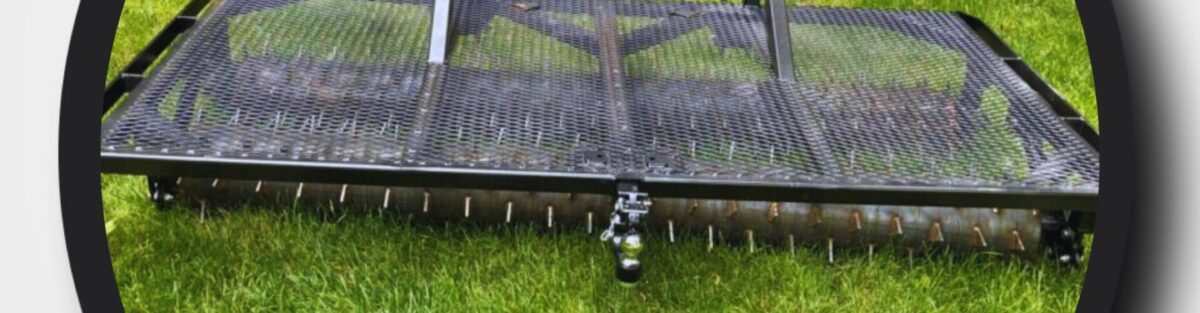
No-till farming is an agricultural method that involves planting seeds directly into undisturbed soil covered with crop residue. This practice is a key component of regenerative agriculture, helping improve long-term soil health and sustainability.
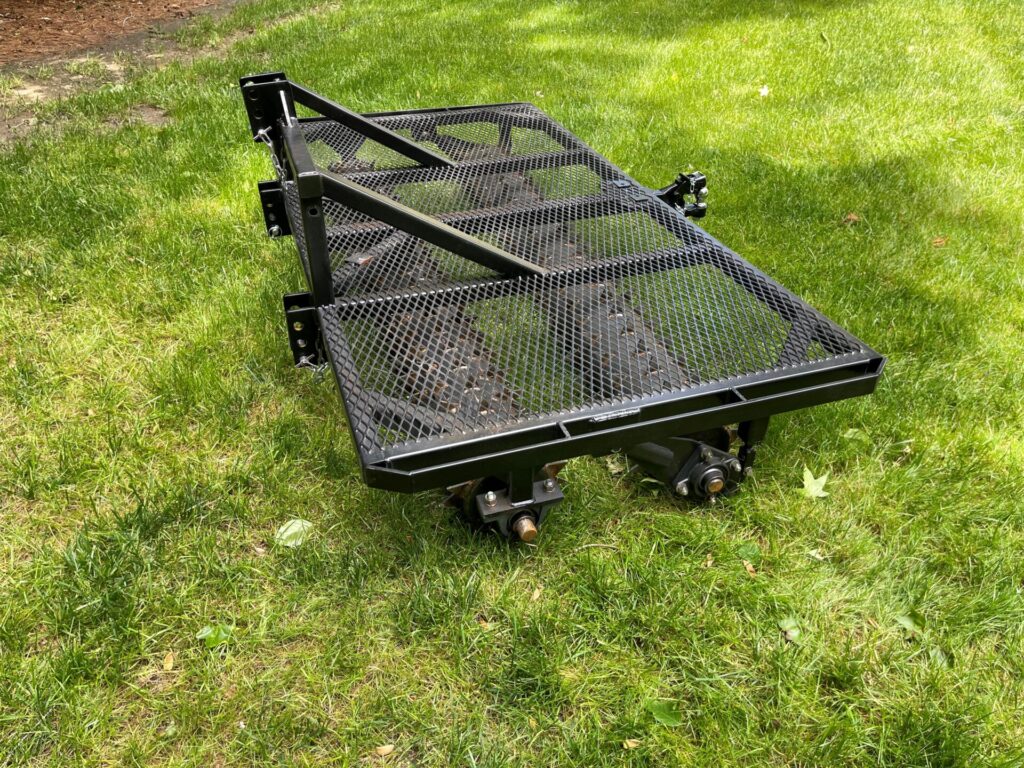
Our Sides No-Till system is built specifically for this method—placing seed, compost, chicken litter, ag lime, and fertilizer approximately 1.5 inches into the soil for optimal results. By maintaining soil structure and residue cover, no-till farming increases water infiltration and reduces evaporation, making more moisture available for crop production.
Benefits of No-Till Farming
Research from the United States Department of Agriculture shows that no-till farming supports healthier landscapes and more nutritious food production. Additional benefits include:
• Soil Health Preservation
Minimal soil disturbance helps protect and preserve valuable topsoil—one of the most critical resources in agriculture.
• Reduced Fuel & Labor Costs
Eliminating the need for plowing and heavy tillage equipment lowers fuel consumption and labor requirements, improving overall efficiency.
• Improved Soil Quality
Without constant disruption, soil retains its natural structure and nutrients. Beneficial organisms thrive, enhancing aeration, decomposition, and overall fertility.
• Moisture Retention
Crop residue acts as a protective layer, reducing evaporation and runoff while helping the soil retain moisture—especially valuable in drought conditions.
• Carbon Sequestration
No-till farming promotes the buildup of organic matter, capturing and storing carbon in the soil and reducing greenhouse gas emissions.
• Climate Impact
By limiting soil disturbance, this practice reduces CO₂ release, making it a smart solution for environmentally responsible, large-scale farming.
Cost & Efficiency
While the initial investment in no-till equipment can be high, the Sides No-Till system is designed to be a cost-effective solution. Call 336-249-8300 to get a quote today
With just one pass across the field, you can establish your crop—dramatically cutting down on fuel, labor, and equipment needs. Fewer passes mean more savings and more productivity.
